
27th Nov, 2024

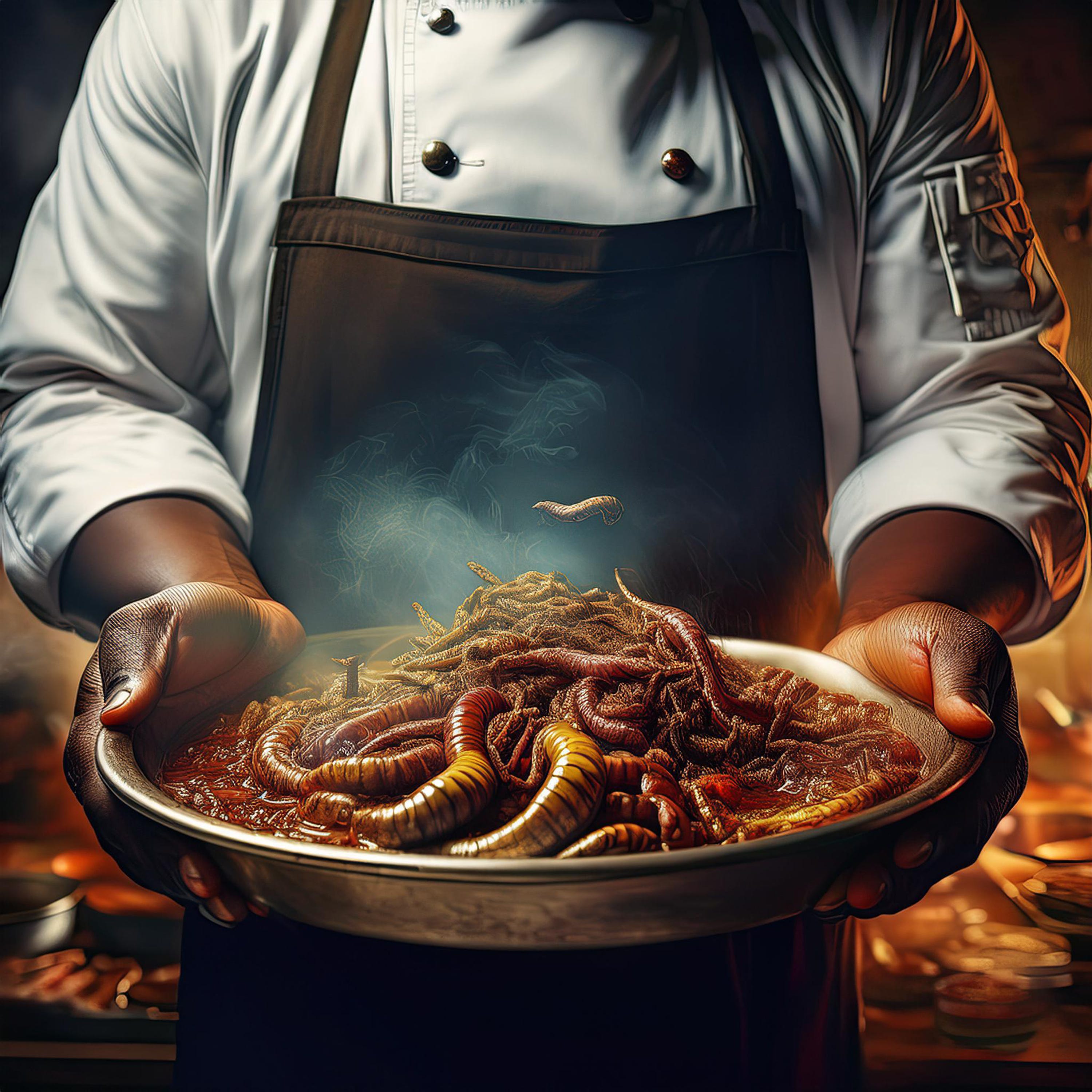
Our first visit to this establishment, back in 2004, was nothing short of memorable. The owner, brimming with enthusiasm, greeted us warmly and ushered us to what he claimed was the best table in the house. The concept was ambitious: an “All You Can Eat, Pay as you Feel” experience featuring dishes inspired by various global cuisines. Admittedly, some offerings looked quite undercooked, pink and questionable. But the restaurateur reassured us with great confidence, even consuming the food himself as a gesture of trust.
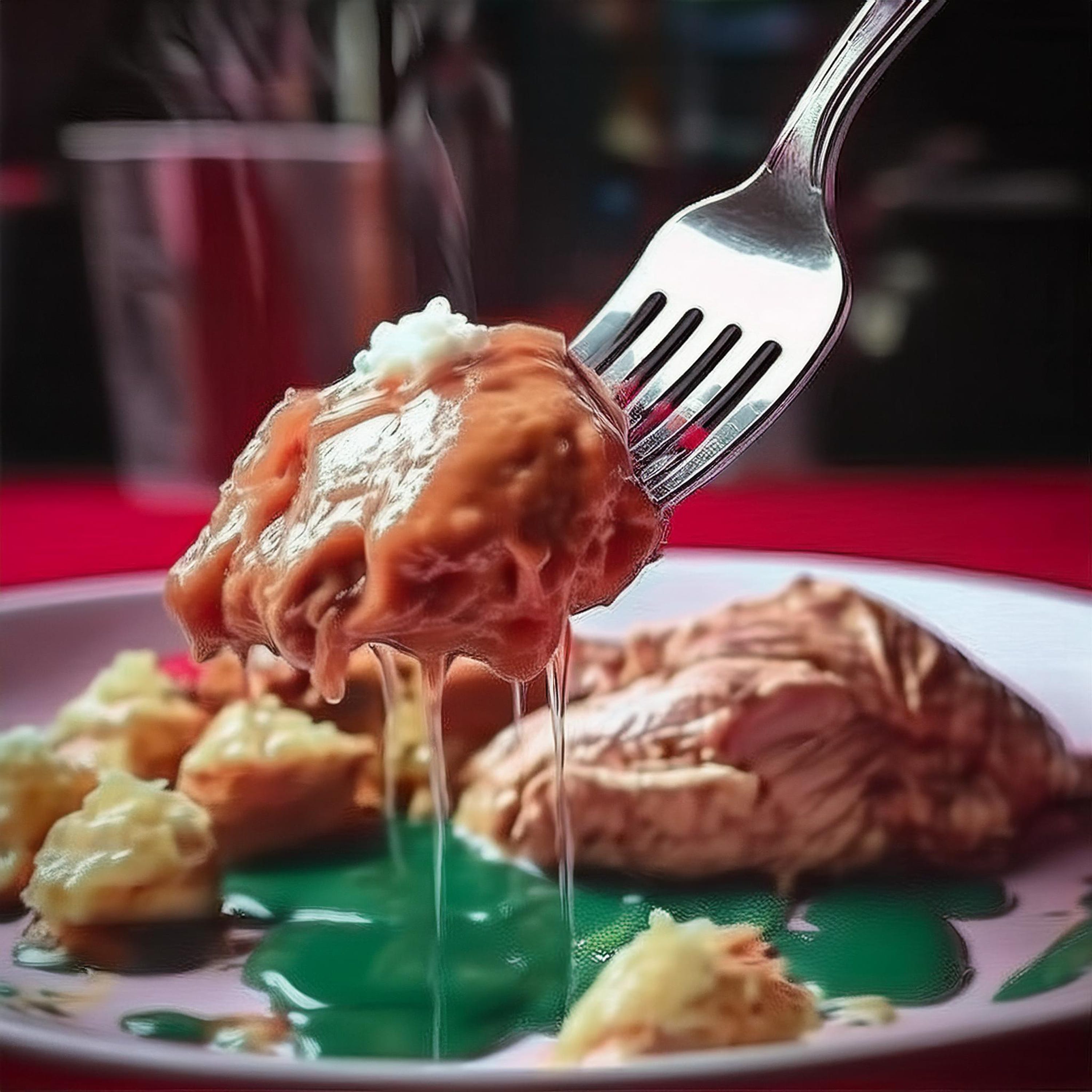
That night, we left with unsettled stomachs but attributed it to an unrelated bug, trusting the owner’s reassurances. After all, the other diners seemed unaffected. Convinced of the restaurant’s promise, we began dining there weekly, forging connections with the other regulars who soon felt like family.
Over time, certain patterns emerged. The owner relied heavily on volunteer labour to keep the operation running, with the same dedicated individuals cooking, serving, and cleaning night after night. One winter, we watched as one of the lead chefs, visibly unwell, gaunt, shivering, and bundled against the cold, continued to serve with unwavering commitment. Yet, under the boss's watchful eye, his evident frailty went unacknowledged. Instead, the demands placed upon him only seemed to grow.
Curiously, while we initially experienced adverse effects after each meal, our bodies seemed to adjust over time. The food quality never improved; it remained disturbingly raw and poorly prepared, but regular exposure numbed us to its harmful effects.
In time, we felt compelled to volunteer, believing the establishment was destined for greatness. We abandoned all our other dining spots, devoting our free time to promoting the restaurant and persuading others to try it. Within three years, we were honoured with the title of co-director, a role that demanded far more than we could have imagined.
During this period, a prime piece of real estate caught our eye—an iconic corner building perfect for elevating the restaurant’s image. Although our restaurant had never turned a profit, the owner’s persuasive charm secured a hefty, unsecured loan. Miraculously, the small, struggling eatery relocated to the most prominent building in town.
The move, however, exposed deeper breaks beneath the polished exterior. Behind the gleaming facade, the chaos in the kitchen escalated. Staff turnover soared as chefs, interns, and even performers bore the brunt of the owner’s private tirades. Ironically, the restaurant’s greatest attraction was its performance lineup, featuring not only the best local acts but occasionally the finest talent in the country. Yet backstage, the glitter dimmed. Tears and breakdowns became commonplace, with performers, staff and volunteers struggling under the weight of relentless pressure. Despite the growing turmoil, we rationalised it all as the necessary cost of pursuing “the vision.”
Over time, we could no longer ignore the cracks. The food was neither nourishing nor safe. Guests who voiced concerns were dismissed or blamed for their dissatisfaction. Some even fell seriously ill, yet no formal complaints were ever made. Most feared retaliation or doubted they’d be believed.
The tipping point came when several regular patrons and staff confided their struggles to the boss’s trusted co-director, while the boss was away on an overseas business trip. Feeling safer in his absence, they finally spoke openly. It was as if a veil had been lifted, revealing how the restaurant’s charm had long concealed years of systemic dysfunction. When these concerns were eventually brought to the owner’s attention, they were met with outright hostility, and those who dared to speak up were quickly branded as troublemakers. In the end, many of the patrons made the difficult choice to walk away, seeking the "medical help" so desperately needed after years of consuming toxic meals.
The fallout was explosive. An external investigative board uncovered widespread malpractice, affirming the indictments of former patrons. Despite the damning findings, the owner refused to shut down. After selling the iconic building for millions in profit, he reopened in an unmarked, nondescript location, continuing his operations with a loyal yet dwindling base of diners.
Efforts to warn the public have faced resistance from other restaurant owners, who fear the backlash could damage the entire dining industry. Yet the truth remains: this restaurant, once a beacon of promise, became a case study in how unchecked ambition and blind loyalty can lead to harm.
Final Verdict:
This restaurant may still serve a select clientele, but its legacy is one of harm disguised as hospitality. Proceed with caution—or better yet, don’t proceed at all. Seek nourishment elsewhere, where transparency and care for customers truly come first.